
Signage in the Field: Strengthening Haul Route Compliance and Community Confidence
Field observations highlight how clear, durable signage supports haul route compliance, reduces traffic deviations, protects local roads, and builds community confidence during construction activities.
.jpg)
Overview
During a series of recent field visits, the team at Access National Energy Partners observed a wide range of signage used to guide construction traffic along approved haul routes.
Some installations were highly visible and well-constructed, while others were small, faded, or dented, making them difficult to read even at close range.
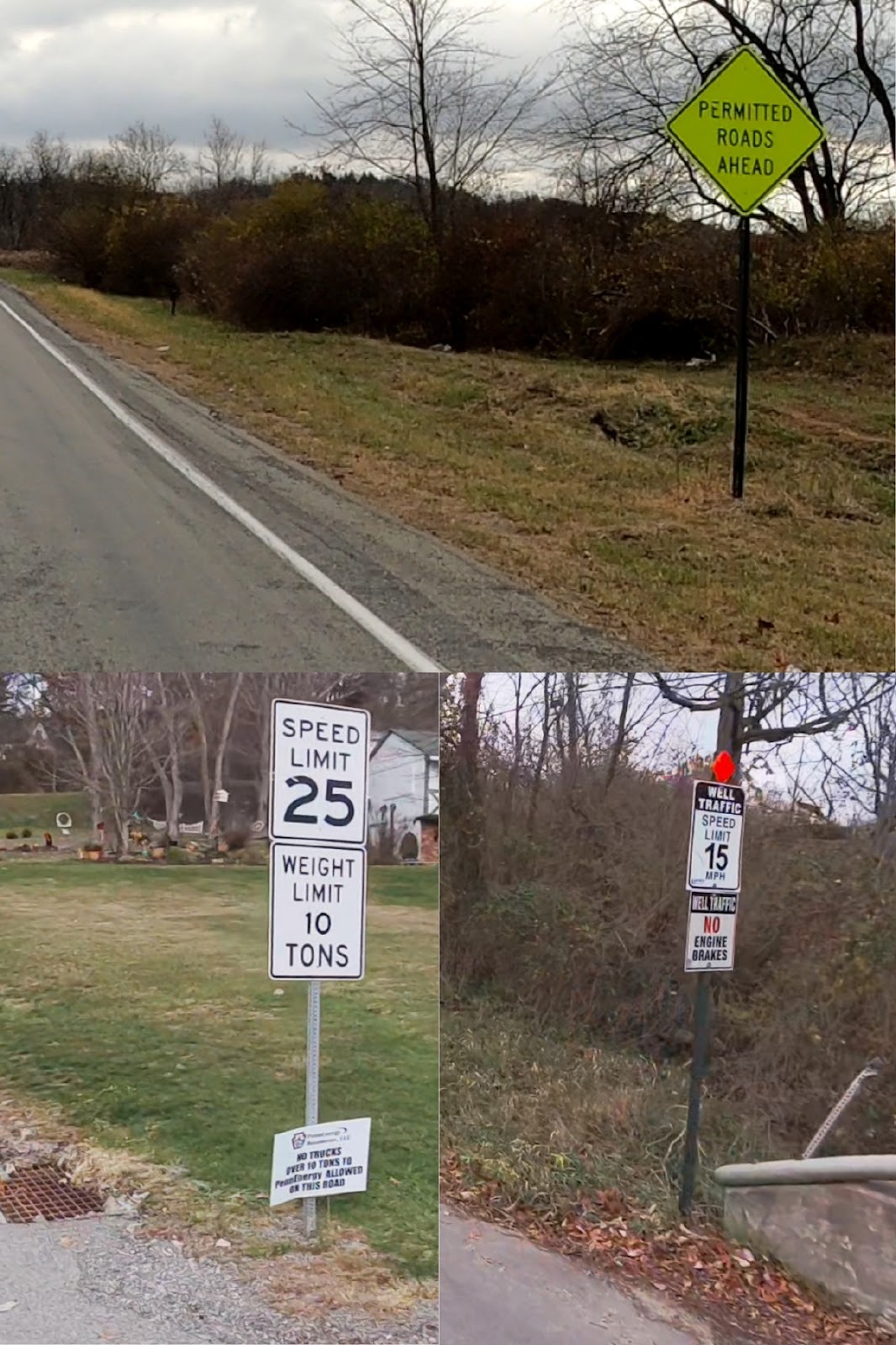
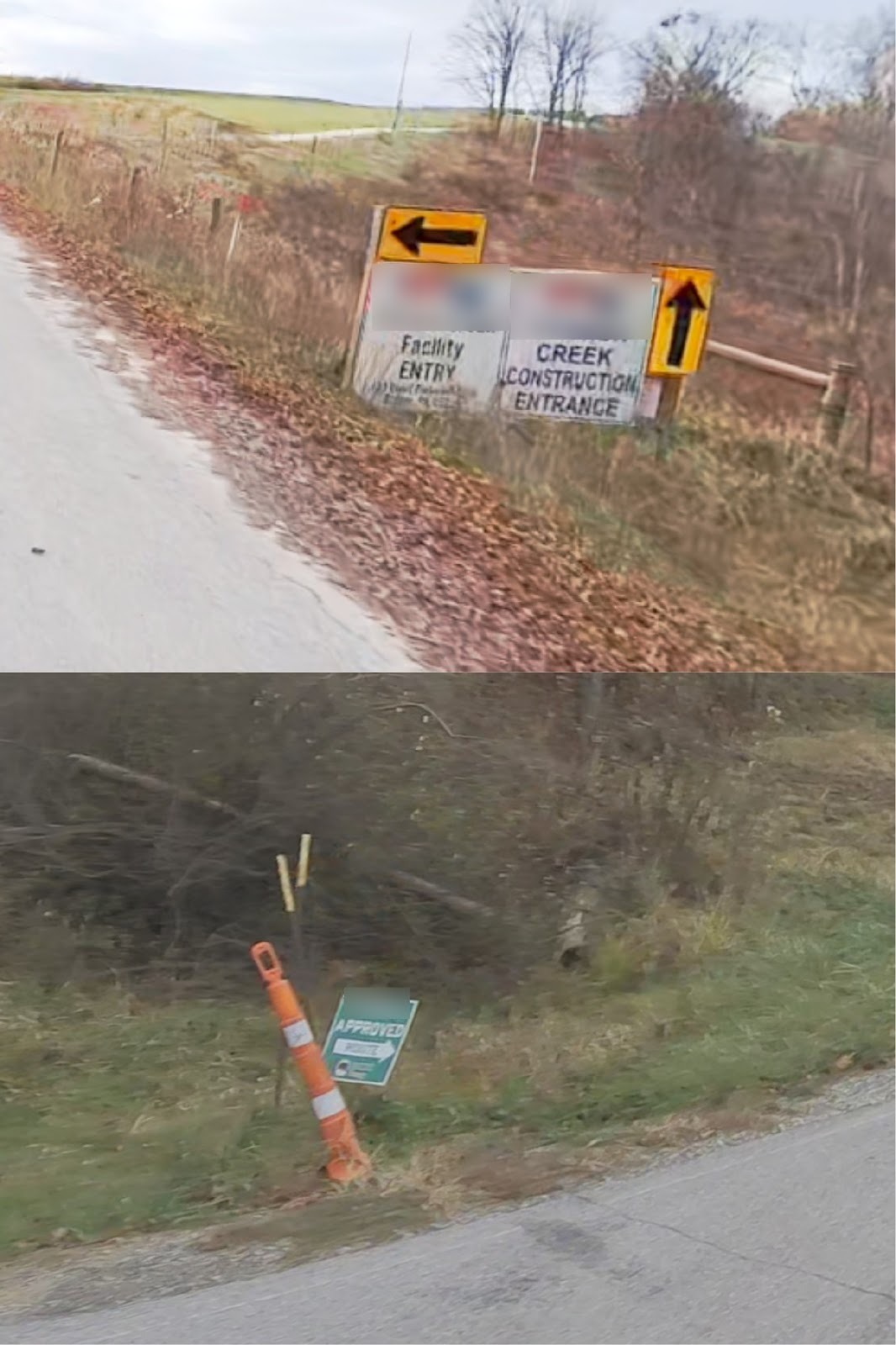
Although signage may seem like a minor logistical detail, its role in road use planning has major implications for safety, community relations, and compliance.
The Challenge
Road Use and Maintenance Agreements (RUMAs) require operators to stay on approved haul routes. When construction traffic deviates, the operator may be responsible for damages or accidents along the unapproved roadway. Poor or unclear signage increases the likelihood of drivers missing turns or making assumptions rather than adhering to instructions.
Inconsistent or low-visibility signage can create issues for developers, contractors, local agencies, and communities. A simple missed turn can lead to trucks entering residential areas, school zones, or narrow local roads that were never intended for construction traffic.
The Approach
The field observations prompted a closer look at how signage contributes to haul route planning and RUMA compliance.
A thoughtful approach to signage considers:
- Is the signage clear, visible, and easy for drivers to follow
- Are the materials durable enough for long project timelines and variable weather conditions
- Is the messaging straightforward enough for drivers who are unfamiliar with the area
Clear and well-maintained signage helps drivers follow approved routing decisions made during planning. It reduces ambiguity for contractors and equipment operators, supports consistent traffic patterns, and signals to road agencies that the developer is serious about compliance.
The type of signage used, whether permanent markers, temporary installations, reflective materials, or color coding, should be evaluated in light of project duration, traffic volume, and local conditions.
Expected Outcome
- Reduced risk of drivers unintentionally leaving approved haul routes
- Lower potential for roadway damage linked to route deviations
- Decreased community frustration due to unexpected construction traffic
- Greater confidence from agencies overseeing RUMA compliance
The Takeaway
Signage may appear to be a small on-site detail, but it plays an important role in keeping construction traffic on approved haul routes and maintaining compliance with RUMAs. When signage is visible, durable, and thoughtfully placed, it reduces mistakes, protects local roads, and supports smoother coordination with agencies and communities.
Ongoing conversations with field teams help identify what works well and where improvements are possible, which strengthens road use planning across future projects.
