
Navigating Historic Infrastructure: Haul Route Planning Around Covered Bridges
Early haul route planning helped identify constraints posed by historic covered bridges, enabling alternative routes that protected infrastructure and avoided construction delays.
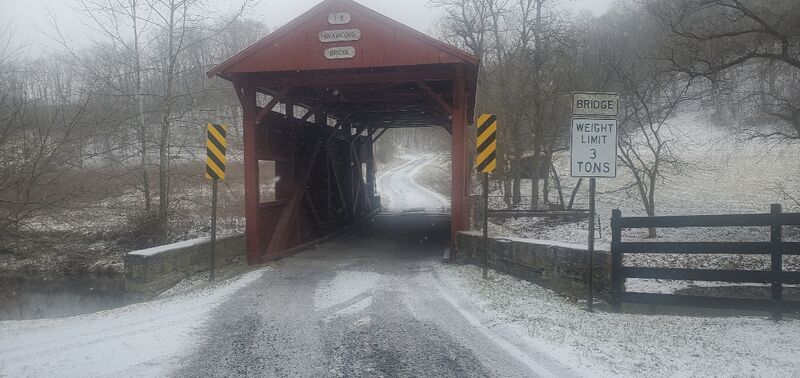
Overview
During a recent review of public roads for an energy project, Access National Energy Partners encountered an uncommon challenge. Three historic covered bridges restrained the way to the proposed site. These structures are architecturally significant and locally valued, but they also introduce practical constraints for any project that requires the movement of construction materials and equipment.
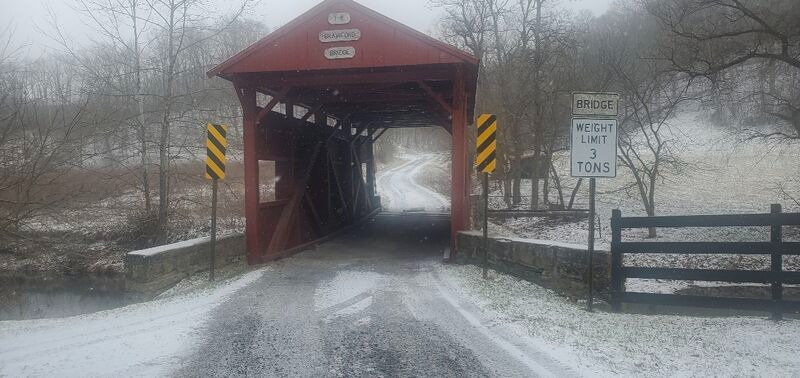
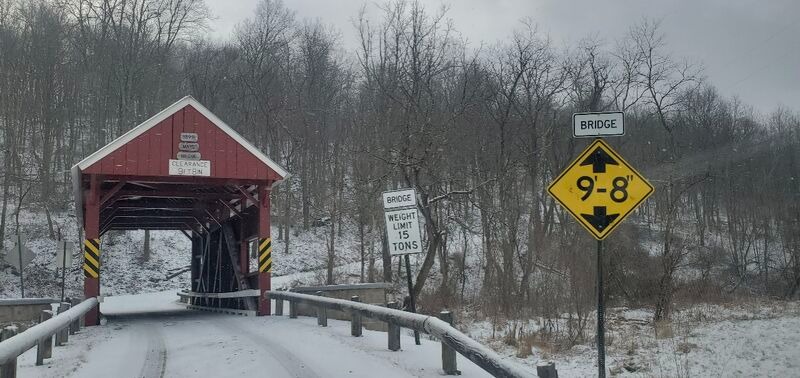
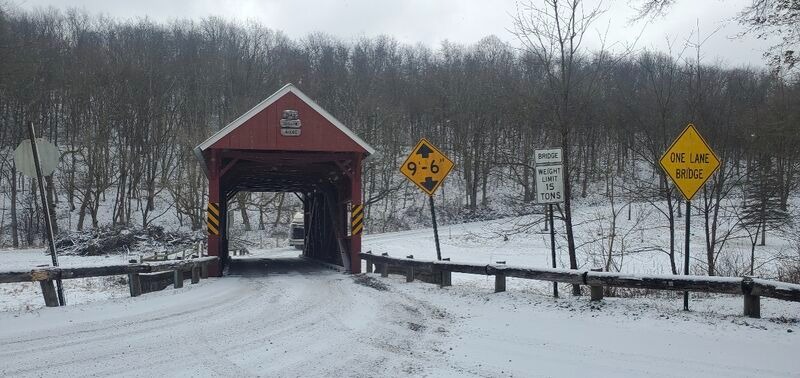
This situation reinforced why thoughtful early haul route planning is important, especially when sensitive or structurally limited infrastructure sits between a project and its logistics needs.
The Challenge
Historic covered bridges often come with strict limitations on vehicle weight, width, and height. These characteristics help preserve the structural integrity of the bridges, but they can quickly become critical path issues for construction if the constraints are not identified and understood early.
Without a clear view of these limitations, a project team could easily plan routes that are not physically feasible, legally compliant, or aligned with community expectations for preservation and safety.
The Approach
The Access NEP team applied its established haul route planning process to assess the constraints and explore workable solutions. The workflow focused on three core steps.
- Identify physical, structural, and regulatory limitations, including those created by the historic covered bridges.
- Understand the implications for construction and permitting, so the project recognizes where equipment movement will be restricted.
- Explore alternative routes that can meet project requirements while respecting local infrastructure and the importance of preserving these historic structures.
This approach provided a structured way to recognize constraints early rather than encountering them during equipment mobilization.
Outcome
- Early identification of bridge-related constraints that could influence construction logistics
- A clearer understanding of how local infrastructure and preservation requirements connect with project needs
- Viable alternative route options explored before construction begins
- A planning process that supports safety and aligns with community expectations
The Takeaway
Historic structures can create real logistical challenges for project development. When these constraints are identified early, project teams can plan routes that are safe, practical, and consistent with local preservation needs. Early haul route planning helps avoid uncertainties later in the process and supports more informed decision-making from the start.
